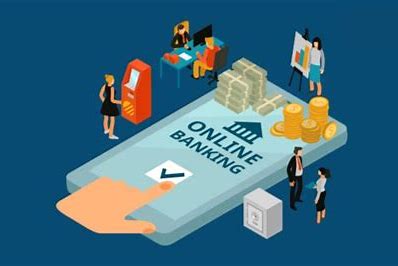
The rise of online banking is a phenomenon that has reshaped the financial landscape in recent years. As technology continues to advance and consumer preferences evolve, more people are making the switch to digital banking solutions. Here’s why:
1. Convenience and Accessibility
Anytime, Anywhere: Online banking allows users to manage their finances from anywhere with an internet connection. This eliminates the need to visit physical branches and makes banking services available around the clock.
Instant Transactions: Transactions like fund transfers, bill payments, and balance inquiries can be completed instantly, providing a level of convenience that traditional banking often lacks.
2. Enhanced User Experience
Intuitive Interfaces: Modern online banking platforms are designed with user-friendly interfaces that make managing finances straightforward and enjoyable.
Personalization: Many digital banking solutions offer personalized features, such as tailored financial advice and custom alerts, enhancing the overall user experience.
3. Cost Efficiency
Lower Fees: Digital banks often have lower overhead costs compared to traditional banks, which can translate into reduced fees for customers. Some online banks even offer fee-free services or higher interest rates on savings accounts.
No Need for Physical Branches: The absence of physical branch locations reduces operational costs and allows banks to pass savings on to customers.
4. Advanced Security Features
Robust Protection: Online banks invest heavily in cybersecurity to protect user data. Features like encryption, multi-factor authentication, and real-time fraud detection help safeguard against unauthorized access and cyber threats.
Fraud Alerts: Instant notifications and alerts for suspicious activity help users respond quickly to potential security breaches.
5. Technological Innovations
Smart Financial Tools: Online banks often provide advanced tools such as budgeting software, spending trackers, and financial planning calculators, which help users manage their finances more effectively.
Integration with Fintech Apps: Many digital banks integrate seamlessly with various fintech applications, such as investment platforms and payment apps, providing a cohesive financial ecosystem.
6. Environmental Benefits
Paperless Transactions: Online banking reduces the need for paper statements, checks, and other physical documents, contributing to a more sustainable banking experience.
Reduced Carbon Footprint: By eliminating the need for travel to physical branches, online banking helps reduce the carbon footprint associated with banking activities.
7. Greater Financial Control
Real-Time Monitoring: Online banking provides real-time access to account balances and transaction histories, allowing users to keep a close eye on their finances.
Automated Services: Features such as automatic bill payments and scheduled transfers simplify money management and help users stay organized.
8. Increased Competition and Innovation
Diverse Options: The rise of online banks and fintech startups has increased competition in the financial sector, leading to more innovative products and services.
Customer-Centric Solutions: With more players in the market, banks are driven to offer better customer service, more competitive rates, and enhanced features to attract and retain clients.
9. Ease of Onboarding
Simple Account Setup: Opening an account with an online bank is often quicker and more straightforward compared to traditional banks, with many offering streamlined online application processes.
Instant Verification: Digital banks frequently use advanced verification methods, such as biometric identification and digital document uploads, to expedite account setup.
10. Adaptation to Modern Lifestyles
Mobile Compatibility: With the increasing use of smartphones and tablets, online banking apps provide users with easy access to their accounts on the go.
Flexible Banking: Digital banking solutions cater to the needs of a fast-paced, digital-first world, accommodating users who prefer managing their finances through technology rather than traditional methods.
In summary, the shift to online banking is driven by a combination of convenience, cost efficiency, advanced security, and technological innovation. As more people seek flexible and efficient ways to manage their finances, digital banking solutions are becoming an increasingly popular choice.