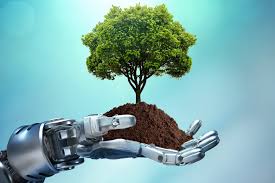
As the global community confronts the pressing challenges of climate change, resource depletion, and environmental degradation, technology emerges as a powerful ally in the quest for a sustainable future. Innovations in various fields offer transformative solutions that can help address these challenges, promote environmental stewardship, and foster long-term sustainability. Here’s a look at how technology is being harnessed to build a more sustainable world and the strategies that are driving this change.
1. Renewable Energy Technologies
Renewable energy technologies are pivotal in reducing reliance on fossil fuels and mitigating climate change. Advances in solar, wind, hydro, and geothermal energy are making clean energy more accessible and cost-effective.
Solutions and Strategies:
- Solar Energy: Innovations in photovoltaic (PV) technology, including more efficient solar panels and solar-thermal systems, are expanding the potential for solar power generation. Strategies like integrating solar panels into building materials (solar rooftiles) and developing floating solar farms are also enhancing efficiency.
- Wind Energy: The development of larger, more efficient wind turbines and advancements in offshore wind farms are increasing the capacity and reliability of wind power. Additionally, innovations in turbine design and energy storage are addressing intermittency issues.
- Energy Storage: Breakthroughs in battery technology, such as solid-state batteries and advanced energy storage systems, are crucial for storing renewable energy and ensuring a stable supply. Strategies to enhance grid integration and storage capacity are key to maximizing the benefits of renewable energy.
2. Smart Grids and Energy Management
Smart grids and advanced energy management systems are transforming how energy is distributed and consumed, leading to greater efficiency and sustainability.
Solutions and Strategies:
- Smart Grids: Utilizing real-time data and advanced analytics, smart grids optimize energy distribution, reduce losses, and enhance reliability. Strategies like demand response programs and grid modernization improve the efficiency of energy use.
- Energy Management Systems (EMS): EMS leverage data from various sources to optimize energy consumption in buildings and industrial processes. Technologies such as smart meters, sensors, and AI-driven analytics help in monitoring and reducing energy usage.
3. Circular Economy and Waste Management
The circular economy focuses on minimizing waste and maximizing resource use through recycling, reusing, and remanufacturing. Technology plays a critical role in supporting these practices.
Solutions and Strategies:
- Advanced Recycling Technologies: Innovations in recycling, such as chemical recycling and automated sorting systems, improve the efficiency and effectiveness of waste processing. Strategies to develop closed-loop systems where materials are continually recycled are gaining traction.
- Waste-to-Energy: Technologies that convert waste into energy, such as anaerobic digestion and incineration with energy recovery, offer sustainable waste management solutions. These technologies help reduce landfill use and generate renewable energy.
4. Sustainable Agriculture and Food Systems
Technology is transforming agriculture and food production to increase efficiency, reduce environmental impact, and enhance food security.
Solutions and Strategies:
- Precision Agriculture: Using GPS, drones, and IoT sensors, precision agriculture optimizes the use of water, fertilizers, and pesticides. This approach reduces resource waste and environmental impact while increasing crop yields.
- Vertical Farming: Vertical farming technologies involve growing crops in stacked layers or vertically inclined surfaces, often within controlled indoor environments. This method reduces land use, minimizes water consumption, and enables year-round production.
- Alternative Proteins: Innovations in plant-based and cultured meat technologies offer sustainable alternatives to traditional animal agriculture, reducing greenhouse gas emissions and resource use.
5. Green Building Technologies
Green building technologies focus on creating energy-efficient, environmentally friendly buildings that reduce their carbon footprint and resource consumption.
Solutions and Strategies:
- Energy-Efficient Design: Incorporating energy-efficient materials, such as advanced insulation and low-energy windows, alongside sustainable design practices, enhances the energy performance of buildings. Strategies like passive solar design and natural ventilation also contribute to reduced energy use.
- Smart Building Systems: Integrating smart technologies, such as automated lighting, HVAC systems, and energy management controls, improves the efficiency of building operations. These systems adapt to occupancy patterns and environmental conditions to optimize energy use.
6. Water Conservation and Management
Water scarcity is a critical issue, and technology is providing solutions to conserve and manage this vital resource more effectively.
Solutions and Strategies:
- Water Recycling and Reuse: Technologies for treating and reusing wastewater, such as advanced filtration and desalination, help address water shortages. Strategies to implement greywater recycling systems in residential and industrial settings are also gaining popularity.
- Smart Water Management: IoT sensors and data analytics enable real-time monitoring of water usage and infrastructure. These technologies help detect leaks, optimize water distribution, and improve overall water management.
7. Climate Monitoring and Adaptation
Accurate climate monitoring and adaptation strategies are essential for understanding and responding to environmental changes.
Solutions and Strategies:
- Remote Sensing: Satellite technology and remote sensing provide valuable data on climate patterns, deforestation, and natural disasters. This information supports better decision-making and environmental management.
- Climate Modeling: Advanced climate models use computational simulations to predict future climate scenarios and assess the impact of various mitigation strategies. This helps policymakers and organizations plan and implement effective adaptation measures.
Conclusion
Harnessing technology for a sustainable future involves leveraging innovative solutions and strategies across various sectors to address environmental challenges and promote responsible resource use. From renewable energy and smart grids to sustainable agriculture and green building technologies, these advancements offer promising pathways to achieving long-term sustainability.
As we continue to face environmental pressures and climate challenges, embracing these technologies and implementing effective strategies will be crucial for building a resilient and sustainable world. By aligning technological innovation with sustainability goals, we can pave the way for a future where both people and the planet thrive.