Protection Against Financial Shocks
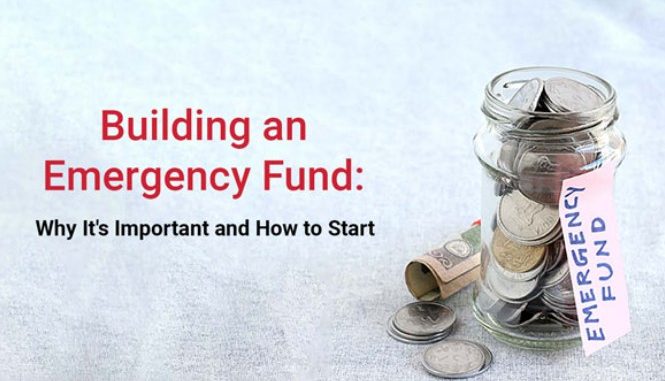
Emergencies can strike without warning, and they often come with hefty price tags. Without an emergency fund, you might be forced to rely on credit cards, loans, or even dip into your retirement savings to cover these unexpected costs. This can lead to long-term financial strain, high-interest debt, and derailed savings goals. An emergency fund acts as a financial buffer, allowing you to manage these situations without resorting to costly borrowing or sacrificing your future financial stability.
Avoiding Debt
One of the key benefits of an emergency fund is its ability to keep you out of debt. For many people, a sudden financial need leads to using credit cards or personal loans, which often come with high-interest rates. Over time, this debt can snowball, making it increasingly difficult to pay off. By having an emergency fund, you can cover unexpected expenses upfront, avoiding the need to borrow money and the stress that comes with debt repayment.
Maintaining Financial Independence
Financial independence is about having the ability to manage your finances without external assistance. An emergency fund supports this independence by giving you the means to handle financial challenges on your own. Whether it’s an unexpected medical bill or an urgent home repair, having a reserve of funds ensures you don’t have to rely on friends, family, or financial institutions to bail you out.
Supporting Long-Term Goals
When emergencies arise, they can derail your long-term financial goals, such as saving for a home, retirement, or your child’s education. Without an emergency fund, you might be forced to redirect funds from these goals to cover unexpected expenses. This can delay progress and disrupt your financial planning. An emergency fund serves as a safeguard, allowing you to handle short-term needs while staying on track with your long-term objectives.
Providing Peace of Mind
Financial stress can take a significant toll on your mental and emotional well-being. Knowing that you have an emergency fund to fall back on provides peace of mind and reduces anxiety about the “what-ifs” in life. It creates a sense of security, allowing you to focus on your day-to-day life and long-term aspirations without constantly worrying about potential financial setbacks.
Navigating Job Loss or Income Reduction
Job loss or a reduction in income is one of the most common reasons people dip into their emergency funds. In such situations, an emergency fund can help cover your living expenses until you find a new job or recover lost income. Experts typically recommend saving three to six months’ worth of essential expenses in your emergency fund to ensure you can sustain yourself during periods of unemployment or financial uncertainty.
Steps to Build an Emergency Fund
Building an emergency fund may seem daunting, but with a clear plan and consistent effort, it’s an achievable goal. Here’s how to get started:
- Set a Realistic Goal: Determine how much money you need in your emergency fund. Start with a smaller, attainable goal, such as saving $1,000, and gradually work toward three to six months’ worth of living expenses.
- Create a Budget: Analyze your income and expenses to identify areas where you can cut back and allocate those savings toward your emergency fund. Even small, consistent contributions can add up over time.
- Automate Savings: Set up automatic transfers to your emergency fund to ensure consistent contributions. Automating the process removes the temptation to spend the money and helps you build your fund more effectively.
- Prioritize High-Interest Debt: If you have high-interest debt, focus on paying it down while simultaneously setting aside a small amount for your emergency fund. Once your debt is under control, you can increase your savings contributions.
- Use Windfalls Wisely: Allocate windfalls such as tax refunds, bonuses, or gifts toward your emergency fund. These lump-sum contributions can significantly accelerate your progress.
- Choose the Right Account: Keep your emergency fund in a separate, easily accessible account, such as a high-yield savings account. This ensures that your money is safe, earns interest, and is readily available when needed.
Maintaining Your Emergency Fund
Building an emergency fund is only the first step; maintaining it is equally important. Resist the urge to dip into your emergency fund for non-emergency expenses, and replenish it promptly after using it. Regularly review your fund to ensure it aligns with your current financial situation and adjust your savings goals as needed.
Conclusion
An emergency fund is a cornerstone of financial stability and security. It protects you from unexpected financial shocks, prevents debt accumulation, supports your long-term goals, and provides peace of mind. By prioritizing the creation and maintenance of an emergency fund, you empower yourself to navigate life’s uncertainties with confidence. Start small, stay consistent, and watch your financial safety net grow into a powerful tool for protecting your future.