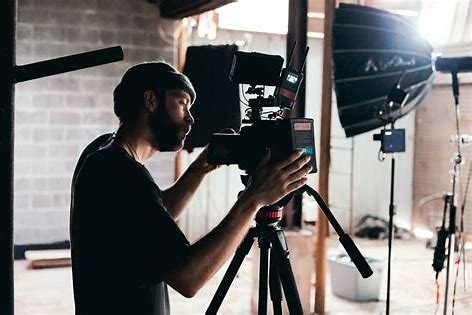
Mastering photography and filmmaking is both an exciting and challenging journey. Whether you’re starting out or looking to refine your craft, there are some key techniques and tips that can help you elevate your skills and get the best results. Here’s a breakdown to guide you through the process:
1. Understand the Basics of Exposure
Shutter Speed: Controls the motion blur. A faster shutter speed (e.g., 1/1000) freezes motion, while a slower speed (e.g., 1/30) captures motion blur.
Aperture (f-stop): Controls the depth of field. A lower f-stop (e.g., f/1.8) gives you a shallow depth of field (blurry background), while a higher f-stop (e.g., f/16) increases depth of field (more in focus).
ISO: Controls sensitivity to light. Keep it low for clean images, but increase it in low light (be mindful of grain/noise).
2. Composition is Key
Rule of Thirds: Divide your frame into a 3×3 grid and place important elements along the lines or at the intersections to create a balanced image.
Leading Lines: Use natural or architectural lines to guide the viewer’s eye to the subject.
Framing: Use objects in the scene (like doorways or trees) to frame your subject, creating a sense of depth.
3. Lighting
Natural Light: The golden hour (the hour after sunrise and before sunset) offers soft, warm light that is ideal for photography and film.
Artificial Light: In filmmaking, use three-point lighting (key light, fill light, backlight) to create dimension and control shadows.
Light Modifiers: Diffusers soften light, and reflectors bounce light to fill shadows.
4. Camera Movement and Angles
Static Shots: Keep the camera still for dramatic or intimate moments.
Dynamic Shots: Use techniques like panning, tilting, or tracking shots to add energy or convey movement.
Angle: Experiment with different angles (low, high, or Dutch angles) to tell a unique story or evoke a certain emotion.
5. Focus on Audio (for Film Making)
Microphones: Always use a good external microphone. On-camera mics pick up ambient noise, so a shotgun mic or lapel mic is often better.
Sound Design: Sound plays a huge role in filmmaking. Be mindful of background noises, ambient sounds, and music. Layering these elements properly can enhance storytelling.
6. Post-Production Mastery
Editing: Learn to use editing software like Adobe Premiere, Final Cut Pro, or DaVinci Resolve. Cut your footage with purpose and rhythm, and create smooth transitions.
Color Grading: Color can set the tone and mood of your piece. For example, warm tones can evoke comfort, while cold tones may create unease.
Sound Editing: Clean up audio, add sound effects, and mix the soundtrack to balance dialogue, music, and effects.
7. Develop Your Style
Experimentation: Don’t be afraid to try new techniques, like long exposure photography or unconventional shot compositions.
Storytelling: In both photography and filmmaking, every image should tell a story. Think about the emotions you want to convey and how your subject, lighting, and composition work together.
Consistency: Over time, you’ll develop a unique style. Stick with certain themes, color palettes, or shooting techniques to make your work recognizable.
8. Gear Matters, but Creativity Matters More
Camera: While having a good camera helps, creativity is far more important. A DSLR or mirrorless camera with manual settings offers flexibility, but even a smartphone can produce stunning results in the right hands.
Lenses: Invest in lenses that suit your shooting style. Prime lenses (e.g., 50mm f/1.8) provide great depth of field and low light performance, while zoom lenses (e.g., 24-70mm) offer versatility.
Stabilization: In film making, consider a tripod, gimbal, or slider to create smooth shots.
9. Practice, Practice, Practice
Shoot Regularly: The more you shoot, the more you’ll understand how to handle different lighting conditions, camera settings, and subjects.
Analyze Work: Study other photographers’ and filmmakers’ work. Break down how they use light, framing, and motion to achieve their vision.
Accept Feedback: Don’t be afraid to share your work with others and get constructive criticism.
10. Keep Learning
Stay updated with new techniques, gear, and trends in the creative world. Attend workshops, watch tutorials, and learn from professionals.
Mastering photography and filmmaking is a process that takes time, but the key is consistency and passion. What area are you most interested in—photography, filmmaking, or both?