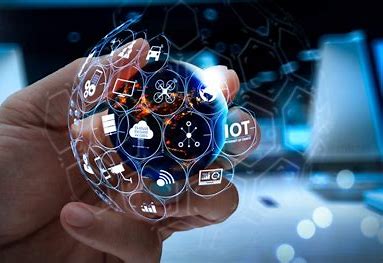
The Impact of Emerging Technologies on Everyday Life: What You Need to Know
Emerging technologies are transforming every aspect of modern life, from how we work and communicate to how we shop, travel, and maintain our health. As these innovations evolve rapidly, they not only enhance convenience and efficiency but also pose new challenges and ethical questions. Here’s a look at some of the most influential emerging technologies in 2023 and how they are impacting everyday life:
1. Artificial Intelligence (AI) and Machine Learning (ML)
Artificial intelligence (AI) and machine learning (ML) are shaping the world in profound ways, with their presence felt in almost every sector. AI is making systems smarter, allowing for automation, personalization, and better decision-making.
Impact on Daily Life:
Personal Assistants: AI-powered virtual assistants like Siri, Alexa, and Google Assistant help with tasks such as setting reminders, controlling smart home devices, or providing weather updates, making life more efficient.
Personalization: AI algorithms power recommendations on streaming platforms (Netflix, Spotify), online shopping, and even social media, providing customized experiences based on preferences and behavior.
Healthcare: AI tools can predict health risks, analyze medical images, and assist in diagnosis, helping doctors make better-informed decisions and improving patient outcomes.
2. 5G and Enhanced Connectivity
The rollout of 5G networks is making the internet faster, more reliable, and more widespread. With speeds up to 100 times faster than 4G, 5G is revolutionizing mobile communication, data transfer, and real-time internet applications.
Impact on Daily Life:
Smart Devices: With 5G, devices in homes, cars, and cities can communicate seamlessly. Smart homes with interconnected gadgets, such as thermostats, lights, and security cameras, will be more efficient and responsive.
Remote Work: 5G enables smoother video conferencing, faster file sharing, and reduced latency, making remote work and collaboration more effective.
Autonomous Vehicles: 5G is crucial for the development of self-driving cars, enabling real-time data transfer and decision-making needed for these vehicles to operate safely.
3. Internet of Things (IoT)
The IoT connects everyday objects to the internet, enabling them to send and receive data. This network of connected devices is creating smarter environments, from homes to cities.
Impact on Daily Life:
Smart Homes: IoT enables devices like refrigerators, lights, thermostats, and security systems to be controlled remotely. Home automation makes life more convenient and energy-efficient.
Wearable Tech: Smartwatches and fitness trackers gather health data, such as heart rate and steps taken, and sync with apps to monitor your health and fitness goals.
Smart Cities: IoT is enhancing urban life by optimizing traffic flow, reducing energy consumption, and improving waste management, making cities more efficient and livable.
4. Blockchain and Cryptocurrencies
Blockchain technology, most well-known for supporting cryptocurrencies like Bitcoin, is expanding into areas such as finance, supply chain management, healthcare, and even voting systems. Blockchain provides a decentralized, transparent, and secure way to store and transfer data.
Impact on Daily Life:
Decentralized Finance (DeFi): Traditional financial systems are being challenged by decentralized applications that allow for peer-to-peer lending, borrowing, and trading without the need for intermediaries like banks.
Digital Identity: Blockchain can securely store and verify digital identities, reducing fraud and simplifying online transactions.
Supply Chain Transparency: Blockchain is being used to track the origin and journey of products, offering consumers more transparency regarding the products they buy.
5. Virtual Reality (VR) and Augmented Reality (AR)
Virtual reality (VR) and augmented reality (AR) are reshaping the way we experience entertainment, education, and even work. While VR immerses users in fully digital worlds, AR overlays digital information onto the physical world, creating interactive experiences.
Impact on Daily Life:
Education: AR and VR are revolutionizing learning by offering immersive educational experiences, such as virtual field trips, interactive 3D models, and simulated training environments.
Shopping: AR apps allow customers to try on clothes or visualize how furniture will look in their homes before making a purchase, enhancing the online shopping experience.
Entertainment: VR gaming and live virtual concerts are gaining popularity, providing new ways to interact with content and explore virtual worlds.
6. Robotics and Automation
Robots are no longer confined to factories or warehouses. Advances in robotics and automation are making their way into homes, healthcare, and service industries.
Impact on Daily Life:
Home Assistants: Robots like vacuum cleaners (e.g., Roomba) and lawn mowers are automating household chores, saving time and effort.
Healthcare: Robotic surgeries and AI-assisted diagnostics are improving the accuracy and efficiency of medical procedures, while robotic caregivers assist elderly people in daily activities.
Delivery Services: Autonomous delivery robots and drones are becoming more common, delivering groceries, food, and even medical supplies directly to your door.
7. Biotechnology and Gene Editing
Biotechnology is rapidly advancing in 2023, with gene editing technologies like CRISPR making it possible to alter genetic material with precision. This has enormous implications for healthcare, agriculture, and beyond.
Impact on Daily Life:
Healthcare: Gene editing could lead to breakthroughs in the treatment of genetic disorders, cancers, and other diseases, offering the potential for cures that were once considered impossible.
Food Production: Biotechnology can help create genetically modified crops that are more resilient to pests, diseases, and environmental stress, potentially leading to more sustainable agriculture and food security.
Personalized Medicine: Advances in genomics are paving the way for personalized treatments tailored to an individual’s genetic makeup, improving the effectiveness of medical therapies.
8. Sustainable Technologies
With growing concerns about climate change and environmental sustainability, technologies designed to reduce carbon footprints and promote renewable energy are gaining momentum.
Impact on Daily Life:
Electric Vehicles (EVs): As EVs become more affordable and mainstream, they are reshaping transportation, reducing reliance on fossil fuels, and reducing pollution.
Renewable Energy: Solar panels, wind turbines, and other renewable energy technologies are becoming more efficient and cost-effective, allowing households and businesses to generate clean energy and reduce reliance on traditional power grids.
Waste Management: Smart waste management systems powered by IoT are helping cities and municipalities optimize trash collection and recycling processes, making waste management more sustainable.
9. Quantum Computing
Quantum computing, still in its infancy, promises to revolutionize industries by solving complex problems that are currently impossible for classical computers. Though it’s not yet widely accessible, it is on the verge of transforming fields such as cryptography, material science, and pharmaceuticals.
Impact on Daily Life:
Scientific Discovery: Quantum computing could lead to breakthroughs in fields like drug development, environmental science, and even AI, accelerating the pace of scientific progress.
Cybersecurity: Quantum computing could pose a threat to current encryption methods, requiring the development of new security technologies to protect sensitive data.
Conclusion
Emerging technologies are reshaping the world in ways that are increasingly visible in everyday life. From AI-driven recommendations and automation to blockchain’s potential to revolutionize finance and quantum computing’s ability to tackle previously unsolvable problems, these innovations are making life more convenient, efficient, and connected. However, they also bring new challenges, such as privacy concerns, ethical dilemmas, and the need for thoughtful regulation. As these technologies continue to evolve, it’s essential to understand their impacts and stay informed about how they will shape the future of work, healthcare, education, and beyond.