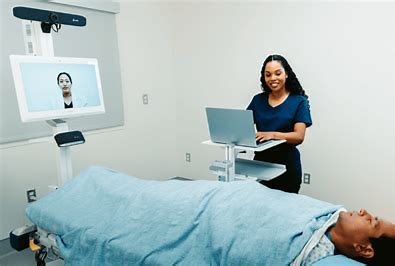
Telemedicine has rapidly transformed the healthcare landscape, redefining how patients access care, manage their health, and interact with medical professionals. By leveraging technology, telemedicine is expanding the reach of healthcare services, improving convenience, and reducing costs. Here’s a deeper look at how telemedicine is reshaping the medical field:
1. Improved Access to Healthcare
What’s Happening? Telemedicine bridges the gap between patients and healthcare providers, especially in underserved or rural areas where access to medical facilities and specialists may be limited.
How It’s Redefining Access:
Geographical barriers removed: Patients in remote locations or rural communities no longer have to travel long distances to consult with healthcare providers. Telemedicine allows them to access healthcare services from their own homes.
Specialist access: Many patients living in underserved areas struggle to see specialists. Through telemedicine, they can easily schedule virtual consultations with experts, often without waiting for long periods.
2. Convenience and Flexibility
What’s Happening? Telemedicine offers the flexibility of receiving care at any time and from anywhere, without the need for patients to take time off work or travel to a clinic or hospital.
How It’s Redefining Access:
On-demand consultations: Telemedicine platforms often allow patients to schedule appointments or even access immediate consultations. This is especially useful for non-emergency medical concerns that can be addressed remotely, like minor illnesses, prescription refills, or follow-up visits.
Eliminating travel time and wait times: Patients no longer need to commute or wait in crowded waiting rooms. This reduces the time commitment for appointments and minimizes the frustration of long wait times.
3. Improved Management of Chronic Conditions
What’s Happening? Telemedicine plays a crucial role in managing chronic diseases like diabetes, hypertension, and heart disease. Through remote monitoring and virtual consultations, patients can stay connected to their care team and track their condition regularly.
How It’s Redefining Access:
Continuous monitoring: Wearable devices and home monitoring tools can be integrated into telemedicine platforms, allowing patients’ vital signs to be tracked in real-time and shared with healthcare providers for better management of chronic conditions.
Proactive care: With telemedicine, patients can engage in more frequent check-ins with their healthcare providers, ensuring that any changes in their health are detected early and addressed before they escalate.
4. Reduced Healthcare Costs
What’s Happening? Telemedicine is contributing to the reduction of healthcare costs for both patients and providers by minimizing the need for in-person visits, hospital admissions, and other costly interventions.
How It’s Redefining Access:
Cost savings for patients: Virtual consultations are often less expensive than in-person visits, making healthcare more affordable, particularly for those without comprehensive insurance or those who need frequent check-ups.
Operational savings for healthcare providers: Healthcare providers can reduce overhead costs related to office space, administrative tasks, and in-person patient management. These savings may be passed down to patients, lowering the overall cost of care.
5. Enhanced Patient Education and Engagement
What’s Happening? Telemedicine platforms often provide additional resources, like educational materials, online support groups, and interactive health tools, to enhance patient knowledge and involvement in their care.
How It’s Redefining Access:
Patient empowerment: Telemedicine allows patients to easily access educational materials, track their progress, and engage with their healthcare providers about their treatment plans, promoting a sense of ownership over their health.
Virtual support groups and counseling: Patients dealing with chronic conditions, mental health challenges, or other health issues can participate in virtual support groups, connecting with others in similar situations for shared advice and encouragement.
6. Mental Health and Behavioral Health Services
What’s Happening? Telemedicine has greatly expanded access to mental health care, with platforms allowing patients to connect with therapists, counselors, and psychiatrists remotely.
How It’s Redefining Access:
Greater access to mental health care: Telemedicine breaks down the stigma and logistical barriers that often prevent individuals from seeking help for mental health concerns. People can now receive counseling, therapy, and medication management from the comfort of their own homes.
Increased privacy and comfort: Many patients feel more comfortable discussing sensitive mental health issues in a familiar, private environment, which can lead to more honest conversations and better treatment outcomes.