Embarking on a journey into photography and filmmaking offers boundless opportunities to express your creativity and capture compelling visuals. Here’s a comprehensive guide to help you unleash your creative potential:
1. Master the Fundamentals
Understanding Exposure: Grasp the Exposure Triangle—aperture, shutter speed, and ISO—to control how light interacts with your camera sensor or film. This knowledge is crucial for achieving well-exposed images.
CREATIVELIVE.COM
Composition Techniques: Learn principles like the Rule of Thirds, leading lines, and symmetry to create visually engaging photographs and films. These compositional strategies guide the viewer’s eye and enhance storytelling.
WIMARYS.COM
2. Explore Advanced Techniques
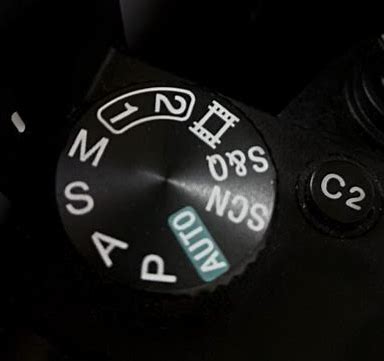
Manual Mode Mastery: Transition from automatic settings to manual mode to gain full control over your camera, allowing for creative flexibility and precision.
WIMARYS.COM
Lighting Mastery: Experiment with natural and artificial lighting to set the mood and highlight subjects effectively. Techniques like backlighting and diffused lighting can add depth and interest to your images.
WIMARYS.COM
3. Delve into Film Photography
Choosing the Right Film: Select film stocks that align with your desired aesthetic. For instance, Kodak Portra 400 is renowned for its color rendition and versatility.
LORIPICKENS.COM
Understanding Exposure in Film: Film has a unique relationship with light. While digital photographers might underexpose to protect highlights, film photographers often find better results by slightly overexposing, ensuring all nuances of light and shadow are captured.
LORIPICKENS.COM
4. Embrace Digital Photography
Post-Processing Skills: Learn to use software like Adobe Photoshop or Lightroom to enhance your images, correct exposure, and apply creative effects. Post-processing is an essential skill for modern photographers.
CREATIVELIVE.COM
Utilize Advanced Features: Explore your camera’s advanced settings, such as manual focus, white balance adjustments, and custom modes, to achieve specific effects and improve image quality.
5. Study Filmmaking Techniques
Storytelling Through Visuals: Focus on narrative structure, pacing, and visual composition to convey compelling stories. Understanding how to visually represent a story is fundamental in filmmaking.
Technical Proficiency: Familiarize yourself with camera operations, sound recording, and editing software to produce high-quality films. Technical skills are crucial for bringing your creative vision to life.
6. Continuous Learning and Practice
Engage with the Community: Join photography and filmmaking groups, attend workshops, and participate in online forums to exchange knowledge and receive constructive feedback.
Experiment Regularly: Dedicate time to practice and experiment with different styles, techniques, and genres to discover your unique artistic voice.