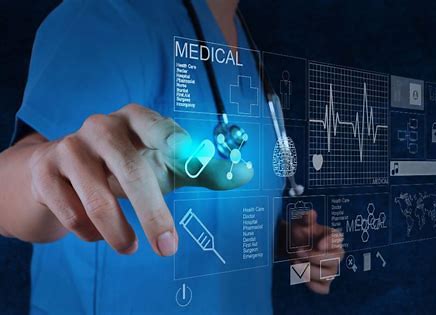
Medical innovations are revolutionizing healthcare, providing groundbreaking advancements that improve patient outcomes, enhance treatment methods, and increase access to essential care worldwide. From diagnostic tools to cutting-edge treatments, the continuous development of medical technologies plays a crucial role in shaping the future of healthcare. Here’s a look at how these innovations are changing the landscape of modern care:
1. Revolutionary Diagnostics and Early Detection
One of the key drivers of medical innovation is improving diagnostic tools. Advancements in imaging technologies, like MRI and CT scans, have dramatically increased the accuracy and efficiency of detecting diseases. The advent of AI-powered algorithms in diagnostics enables doctors to identify conditions such as cancer, heart disease, and neurological disorders earlier than ever before. Early detection is crucial in improving survival rates and reducing treatment costs.
2. Precision Medicine: Tailored Treatment
Precision medicine is one of the most significant innovations in modern healthcare. Rather than using a one-size-fits-all approach, treatments are now customized to an individual’s genetic profile, environment, and lifestyle. This approach has proven particularly effective in cancer care, where personalized therapies target specific mutations or biological markers within a patient’s tumor, leading to better outcomes and fewer side effects.
3. Telemedicine and Remote Care
With the rise of telemedicine, patients can now receive consultations and care from the comfort of their homes. This innovation has been especially valuable for people in rural areas or with mobility issues. Remote monitoring tools, such as wearable devices that track vital signs, allow healthcare professionals to provide continuous care without needing in-person visits, helping to manage chronic conditions and improve overall health management.
4. Artificial Intelligence and Machine Learning
Artificial intelligence (AI) and machine learning (ML) are transforming the way healthcare is delivered. From predicting disease outbreaks to assisting with surgery, AI’s potential in healthcare is vast. For instance, AI systems can analyze medical records and predict which patients are at high risk of developing certain conditions, enabling preventive care. In surgery, robotic-assisted technologies improve precision, reduce recovery times, and minimize the risk of human error.
5. Biotechnology and Genetic Engineering
Biotechnology is unlocking new possibilities in medicine, such as gene editing technologies like CRISPR, which allow for precise alterations to DNA. This could lead to the treatment or even the cure of previously untreatable genetic disorders. Additionally, stem cell research holds promise for regenerative medicine, helping to repair or replace damaged tissues and organs.
6. Wearable Health Technologies
Wearables, such as smartwatches and fitness trackers, are empowering patients to take control of their health. These devices track everything from heart rate to sleep patterns, giving users real-time insights into their wellbeing. Many of these devices can also detect abnormal readings, sending alerts to both users and healthcare providers, allowing for quicker intervention in emergencies.
7. Robotics and Surgery
Robotic surgery has changed the face of minimally invasive surgery. Surgeons now use robotic arms controlled by computers to perform highly precise and less invasive procedures. This reduces recovery time, minimizes scarring, and leads to quicker patient recovery. Robotics also play a significant role in rehabilitation, with exoskeletons helping patients regain mobility.
8. 3D Printing in Medicine
3D printing is being used to create customized prosthetics, implants, and even tissue. This technology enables the production of patient-specific solutions, leading to better-fitting implants and more effective treatments. In the future, 3D printing could even help in printing organs for transplants, drastically reducing waiting times and improving outcomes for transplant patients.
9. Gene Therapies
Gene therapies are emerging as a powerful treatment for genetic diseases. By introducing or altering genetic material within a patient’s cells, doctors can treat conditions at their source, potentially curing genetic disorders that were previously considered incurable. Although still in the early stages, gene therapies have already shown promise in treating conditions like hemophilia and certain types of inherited blindness.
10. Global Access to Medical Advancements
Innovation isn’t just about cutting-edge treatments in developed countries—medical technology is also improving access to care in low-resource settings. Mobile health apps, portable diagnostic tools, and affordable vaccines are bridging the gap between the world’s wealthiest and most underserved populations. The development of low-cost medical devices is helping to save lives in remote regions, where advanced healthcare services are often out of reach.
Conclusion
Medical innovations continue to redefine the possibilities of modern healthcare. These breakthroughs are enhancing treatment efficacy, improving patient outcomes, and making healthcare more accessible and affordable. As technology advances, the role of medical innovations in improving global health will only continue to expand, opening new doors to treatments that were once thought impossible. The future of healthcare is indeed exciting, and it promises a healthier world for generations to come.