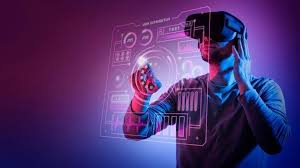
Technology has always been a catalyst for change, but never has its influence been so pervasive and rapid as in today’s world. From the devices we use to the way we communicate, work, and even think, technology is increasingly woven into the fabric of daily life. As we move further into the 21st century, it’s clear that technology is not just an accessory; it’s the driving force behind much of the transformation in society. But how exactly is technology shaping our lives, and what does the future hold?
1. Communication: Bridging Distances in Real Time
One of the most visible ways technology has transformed our lives is in how we communicate. Social media platforms, instant messaging apps, and video conferencing tools have turned the world into a global village, allowing us to connect with people across continents in real time. The rise of 5G networks promises even faster and more reliable connections, making it easier to share information instantly and without delay.
With tools like AI-powered language translation, cultural and language barriers are becoming less of an obstacle, enabling seamless interaction between people from diverse backgrounds. As these technologies continue to evolve, communication is expected to become even more immersive, with virtual reality (VR) and augmented reality (AR) facilitating more lifelike interactions.
2. Workplace Evolution: Automation and the Future of Employment
The workplace has been dramatically reshaped by technology, particularly in areas of automation and artificial intelligence (AI). Tasks that once required human labor are now performed by machines, from self-checkout kiosks to AI-based customer service chatbots. This has led to greater efficiency, reduced costs, and a shift in the kinds of jobs that are in demand.
The rise of remote work, accelerated by the COVID-19 pandemic, has become a permanent fixture in many industries. Cloud computing, collaborative tools like Slack and Zoom, and project management software have made it possible for teams to collaborate from anywhere in the world. These technologies have expanded access to global talent pools and given rise to new job opportunities in tech-related fields, such as cybersecurity, data science, and software engineering.
However, the shift toward automation and AI also raises concerns about job displacement. As technology takes over repetitive tasks, it will be essential for workers to adapt through continuous learning and skill development to thrive in the evolving job market.
3. Health and Medicine: Revolutionizing Care and Treatment
The healthcare sector has been one of the biggest beneficiaries of technological advancement. From telemedicine platforms that allow patients to consult doctors remotely to AI-driven diagnostic tools that help doctors identify diseases with greater accuracy, technology is transforming how we approach health and wellness.
Wearable technology, such as smartwatches that monitor heart rates and track physical activity, is providing individuals with real-time data about their health. This empowers people to make informed decisions and take proactive steps toward healthier lifestyles. Additionally, the integration of AI and big data in healthcare is leading to more personalized treatments, where doctors can tailor their care based on a patient’s genetic makeup and lifestyle.
In the realm of medical research, technology is accelerating breakthroughs in drug discovery and treatment options. AI algorithms can analyze vast datasets to identify patterns and potential solutions that would be impossible for humans to uncover in a timely manner. With continued advancements, the future of healthcare promises to be more efficient, accessible, and personalized than ever before.
4. Education: A New Era of Learning
Education is another field where technology is leaving its mark. The traditional classroom model is being supplemented—and in some cases replaced—by online learning platforms, interactive e-books, and virtual classrooms. Students can now access courses from the world’s top universities from the comfort of their homes, democratizing access to education on a global scale.
Technology is also enhancing the learning experience through personalized education tools. Adaptive learning systems use algorithms to assess a student’s strengths and weaknesses and provide tailored content to address their specific needs. Additionally, gamification techniques are being employed to make learning more engaging and enjoyable, especially for younger students.
In the future, we can expect even greater integration of VR and AR technologies into the classroom, allowing students to experience history, science, and art in immersive environments that traditional textbooks could never replicate.
5. Smart Homes and Cities: Creating Connected Living Spaces
The advent of smart technology has revolutionized how we interact with our living spaces. Smart homes, equipped with Internet of Things (IoT) devices, allow individuals to control everything from lighting and temperature to security systems through their smartphones. Voice assistants like Amazon’s Alexa and Google Assistant have made it possible to manage everyday tasks with simple commands, increasing convenience and efficiency.
On a larger scale, the concept of smart cities is gaining traction. These urban spaces are designed with technology at their core, using IoT devices to manage traffic, monitor environmental conditions, and improve public services. Smart cities aim to create a more sustainable, efficient, and livable environment for residents. For instance, sensors can optimize traffic flow, reducing congestion and pollution, while smart grids can improve energy distribution, making cities more energy-efficient.
6. Entertainment and Leisure: New Frontiers of Experience
Technology is reshaping the entertainment landscape, providing new ways to consume media and engage with content. Streaming services like Netflix, Spotify, and YouTube have transformed how we access movies, music, and television shows, offering on-demand entertainment at our fingertips. Augmented reality and virtual reality are pushing boundaries in gaming and interactive storytelling, offering experiences that immerse users in entirely new worlds.
In the future, we can expect even more seamless integration of AI into entertainment. For example, AI-driven content recommendations will become more personalized, and interactive media will adapt to the choices and preferences of individual users in real time.
7. Sustainability: Technology as a Tool for Environmental Change
As the world grapples with climate change and environmental degradation, technology is emerging as a powerful tool in the fight for sustainability. From renewable energy innovations like solar and wind power to electric vehicles (EVs) and energy-efficient appliances, technology is helping reduce our carbon footprint.
Additionally, AI and big data are being used to monitor and predict environmental trends, aiding efforts to conserve natural resources and protect ecosystems. Smart farming technologies are improving agricultural efficiency, reducing waste, and supporting sustainable food production.
Conclusion: A Technology-Driven Future
Technology’s impact on our lives today is undeniable, and its influence will only continue to grow in the coming years. As we embrace these innovations, we must also consider their ethical implications and ensure that the benefits of technology are accessible to all. Whether it’s communication, healthcare, education, or sustainability, technology is driving progress and offering solutions to some of society’s most pressing challenges. The future, powered by technology, holds the promise of a more connected, efficient, and sustainable world.